🎉 Up to 70% Off Selected ItemsShop Sale
HomeStore

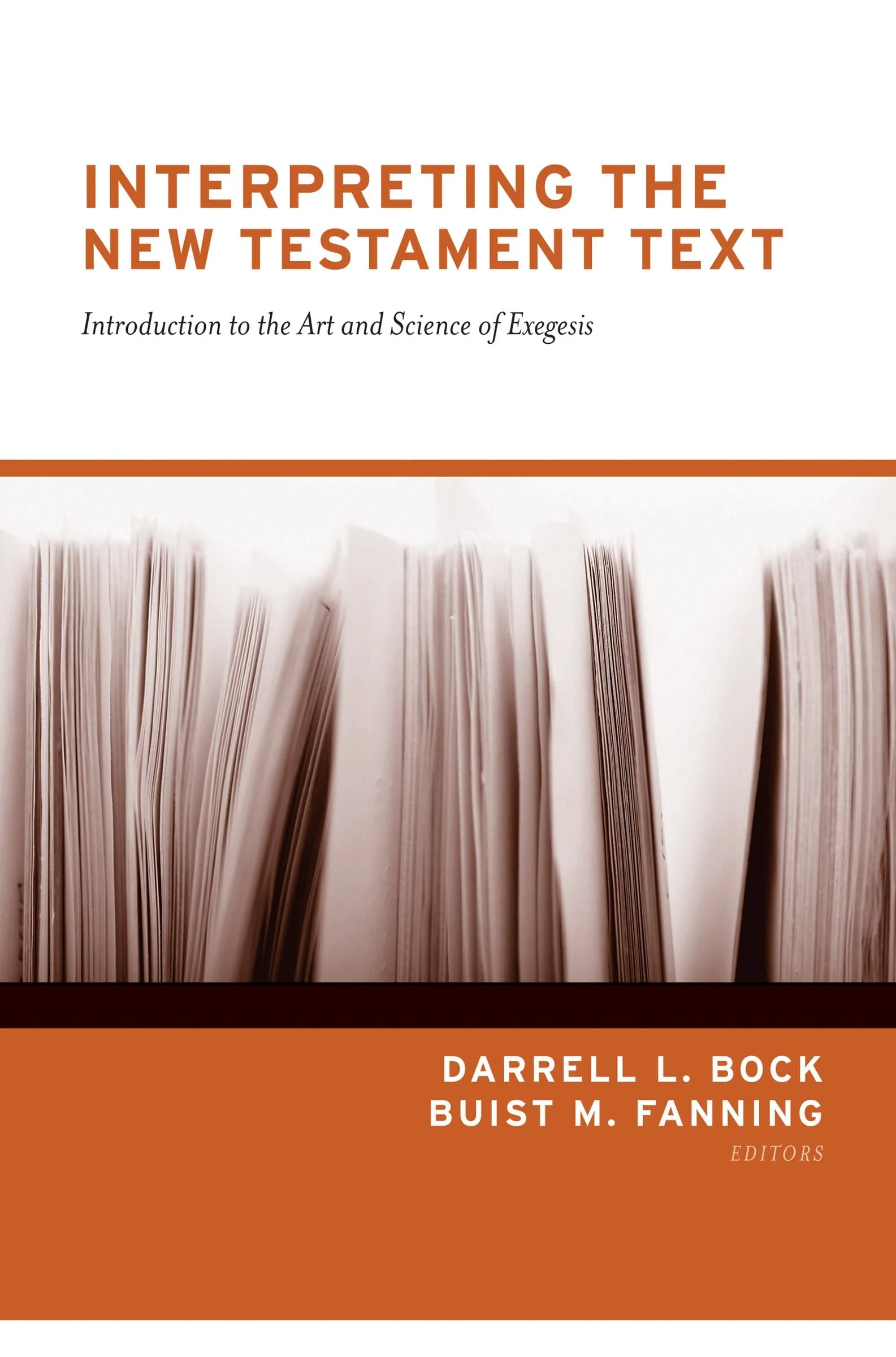
Interpreting the New Testament Text: Introduction to the Art and Science of Exegesis (Redesign)

Product image 1

Interpreting the New Testament Text: Introduction to the Art and Science of Exegesis (Redesign)

With the widespread availability of English Bible translations, the question can easily be asked, Why bother with the hard work of biblical exegesis? Computers can translate foreign languages and many English translations take us very close to the original words and meaning of the Bible. But the answer is clear: the deepest truths of the Bible are found through the deepest study. This book teaches the principles, methods, and fundamentals of exegeting the New Testament, and offers examples of textual exegesis that clearly and helpfully show the value of exegeting a text well. Serious students of Scripture will benefit from using this book in their study of the Bible.

480 pages

Table of Contents

Part One: Exegetical Methods and Procedures

1. Opening Questions: Definition and Philosophy of Exegesis 23

2. Laying a Foundation: New Testament Textual Criticism 33

3. Grammatical Analysis: Making Connections 57

4. Sentence Diagramming, Clausal Layouts, and Exegetical

Outlining: Tracing the Argument 73

5. Lexical Analysis: Studies in Words 135

6. Validation: Exegetical Problem Solving 155

7. Background Studies: Grounding the Text in Reality 167

8. Narrative Genre: Studying the Story 197

9. Epistolary Genre: Reading Ancient Letters 221

10. Apocalyptic Genre: Visions and Symbols 241

11. Scripture Citing Scripture: Use of the Old Testament in the New 255

12. Theological Analysis: Building Biblical Theology 277

13. Showing the Relevance: Application, Ethics, and Preaching 293

Part Two: Exegetical Examples and Reflections

14. Mark 1:1-13: Introducing the Gospel of Mark 313

 I. Howard Marshall

15. Mark 1:1-15: The Paradox of Authority and Servanthood 323

 Narry F. Santos

16. Mark 7:27: Jesus’ Puzzling Statement 341

 Joel F. Williams

17. Acts 8:26-40: Why the Ethiopian Eunuch Was Not from Ethiopia 351

 Edwin M. Yamauchi

18. Romans 15:9b-12: Gentiles as the Culminative Focus of Salvation History 367

 Don N. Howell, Jr.

19. Galatians 3:10-13: Crucifixion Curse and Resurrection Freedom 377

 David Catchpole

20. Ephesians 2:19-22: The Temple Motif 387

 Scott S. Cunningham

21. Ephesians 5:26: The Baptismal Metaphor and Jewish Ritual Baths 401

 Helge Stadelmann

22. Philippians 2:6-7: The Image of God and the Cross of Christ 409

 Timothy B. Savage

23. Colossians 1:12-20: Christus Creator, Christus Salvator 415

 E. Earle Ellis

24. James 1:19-27: Anger in the Congregation 429

 Donald J. Verseput

25. 1 Peter 2:2a: Nourishment for Growth in Faith and Love 441

 W. Edward Glenny

26. 3 John: Tracing the Flow of Thought 449

 Herbert W. Bateman IV

$35.68
Interpreting the New Testament Text: Introduction to the Art and Science of Exegesis (Redesign)—
$35.68

Product Information

Shipping & Returns

Description

With the widespread availability of English Bible translations, the question can easily be asked, Why bother with the hard work of biblical exegesis? Computers can translate foreign languages and many English translations take us very close to the original words and meaning of the Bible. But the answer is clear: the deepest truths of the Bible are found through the deepest study. This book teaches the principles, methods, and fundamentals of exegeting the New Testament, and offers examples of textual exegesis that clearly and helpfully show the value of exegeting a text well. Serious students of Scripture will benefit from using this book in their study of the Bible.

480 pages

Table of Contents

Part One: Exegetical Methods and Procedures

1. Opening Questions: Definition and Philosophy of Exegesis 23

2. Laying a Foundation: New Testament Textual Criticism 33

3. Grammatical Analysis: Making Connections 57

4. Sentence Diagramming, Clausal Layouts, and Exegetical

Outlining: Tracing the Argument 73

5. Lexical Analysis: Studies in Words 135

6. Validation: Exegetical Problem Solving 155

7. Background Studies: Grounding the Text in Reality 167

8. Narrative Genre: Studying the Story 197

9. Epistolary Genre: Reading Ancient Letters 221

10. Apocalyptic Genre: Visions and Symbols 241

11. Scripture Citing Scripture: Use of the Old Testament in the New 255

12. Theological Analysis: Building Biblical Theology 277

13. Showing the Relevance: Application, Ethics, and Preaching 293

Part Two: Exegetical Examples and Reflections

14. Mark 1:1-13: Introducing the Gospel of Mark 313

 I. Howard Marshall

15. Mark 1:1-15: The Paradox of Authority and Servanthood 323

 Narry F. Santos

16. Mark 7:27: Jesus’ Puzzling Statement 341

 Joel F. Williams

17. Acts 8:26-40: Why the Ethiopian Eunuch Was Not from Ethiopia 351

 Edwin M. Yamauchi

18. Romans 15:9b-12: Gentiles as the Culminative Focus of Salvation History 367

 Don N. Howell, Jr.

19. Galatians 3:10-13: Crucifixion Curse and Resurrection Freedom 377

 David Catchpole

20. Ephesians 2:19-22: The Temple Motif 387

 Scott S. Cunningham

21. Ephesians 5:26: The Baptismal Metaphor and Jewish Ritual Baths 401

 Helge Stadelmann

22. Philippians 2:6-7: The Image of God and the Cross of Christ 409

 Timothy B. Savage

23. Colossians 1:12-20: Christus Creator, Christus Salvator 415

 E. Earle Ellis

24. James 1:19-27: Anger in the Congregation 429

 Donald J. Verseput

25. 1 Peter 2:2a: Nourishment for Growth in Faith and Love 441

 W. Edward Glenny

26. 3 John: Tracing the Flow of Thought 449

 Herbert W. Bateman IV

Interpreting the New Testament Text: Introduction to the Art and Science of Exegesis (Redesign) | Reformers Bookshop